
No products in the cart.

OxyContin OC 60mg – The Complete Medical Guide
Introduction to OxyContin OC 60mg
OxyContin OC 60mg is a high-potency extended-release oxycodone formulation classified as a Schedule II controlled substance. This pre-reformulation version (lacking modern abuse-deterrent properties) is reserved for severe, around-the-clock pain in highly opioid-tolerant patients. The “OC” designation indicates it can be more easily manipulated for abuse compared to current “OP” formulations.
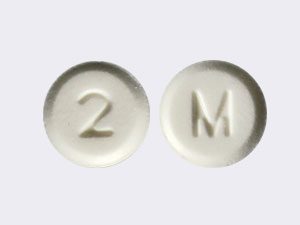
Oxycontin OC 60mg
Medical Uses & Indications
FDA-Approved Uses
✅ Severe chronic pain requiring continuous opioid therapy
✅ Cancer pain management in opioid-tolerant patients
✅ Pain uncontrolled by lower-dose opioids
Key Clinical Features
• Formulation: Original controlled-release (non-abuse deterrent)
• Onset: 1-2 hours
• Duration: 12-hour controlled release
• Equianalgesic ratio: 60mg q12h ≈ 90mg oral morphine daily
• DEA Classification: Schedule II (Highest abuse potential)
Pharmacology & Mechanism
Neurochemical Action
• Full μ-opioid receptor agonist
• κ-opioid receptor partial agonist
• Potent activation of reward pathways
Metabolic Profile
• Hepatic metabolism: CYP3A4 (major), CYP2D6 (minor)
• Active metabolites: Oxymorphone (via CYP2D6)
• Elimination half-life: 4.5-8 hours (ER formulation)
Dosing & Administration
Strict Eligibility Criteria
• Confirmed opioid tolerance: ≥120mg oral morphine equivalent daily
• Stable pain pattern
• Failed trials of abuse-deterrent formulations
Conversion Protocol
Calculate total daily morphine equivalent
Reduce by 25-50% (incomplete cross-tolerance)
Divide by 2 for q12h dosing
Critical Safety Notes
⚠ Hospital initiation strongly recommended
⚠ Never crush/chew tablets (immediate 60mg release risk)
⚠ Requires dual prescriber verification
⚠ Naloxone rescue kit mandatory
Safety Profile
Common Adverse Effects
• Severe constipation
• Nausea/vomiting
• Profound sedation
• Cognitive impairment
Black Box Warnings
❌ Extreme addiction potential
❌ Life-threatening respiratory depression
❌ Fatal overdose risk if misused
❌ Concomitant CNS depressant danger
Risk Mitigation Strategies
Prescribing Safeguards
Specialist pain management consultation
Triplicate prescription forms where required
Weekly follow-ups initially
Random pill counts and UDS
Patient Safety Measures
• Biometric locked storage
• Mandatory caregiver training
• Medication disposal system
• Absolute alcohol prohibition
Clinical Alternatives
For Severe Chronic Pain
• OxyContin OP (abuse-deterrent)
• Methadone (For select patients)
• Fentanyl transdermal
Non-Opioid Options
• Intrathecal pump therapy
• Dorsal column stimulation
• Adjuvant medications
Special Population Considerations
| Population | Consideration | Action |
|---|---|---|
| Elderly (≥65) | CONTRAINDICATED | – |
| Hepatic impairment | CONTRAINDICATED | – |
| Renal (CrCl<30) | CONTRAINDICATED | – |
| Pediatric | CONTRAINDICATED | – |





Reviews
There are no reviews yet.